
Cave Wildlife
Exploring life in the underground world
Caves are mysterious worlds with their own unique ecosystems. Unlike the surface, where sunlight supports abundant plant and animal life, cave environments are dark, humid, and often food-poor. Cave wildlife includes a remarkable variety of animals adapted to life underground, from bats and cave crickets near entrances to blind cavefish and cave shrimp living in complete darkness. Animals that live in and around caves must adapt to survive—and some of these adaptations are truly remarkable.
Cave Zones
Most caves have three distinct zones based on light levels:
- Entrance Zone – Sunlight, temperature, and moisture vary throughout the day and night. Green plants can often grow here, and leaf litter provides food.
- Twilight Zone – Dim light, stable temperatures, and no green vegetation.
- Dark Zone – A world of total darkness, steady temperatures, and no plant growth.
Not every cave has all three zones, but understanding them helps us learn why certain animals live where they do.
Animals in Cave Zones
Different animals live in different parts of a cave depending on light, temperature, and food. Some animals visit caves only for shelter, while others spend their entire lives underground. Most cave life ultimately depends on energy that enters from the surface. As light fades and food becomes scarce deeper in the cave, the kinds of animals that live there begin to change. As you scroll through the zones below, notice how cave life shifts from the entrance to the deepest, darkest passages.
Entrance Zone
Where daylight still reaches the cave.
Temperature and moisture change through the day, and plants can grow near the opening. Leaves, insects, and other organic material from the surface often enter here, providing food for many cave visitors. You might spot raccoons, birds, frogs, or cave crickets resting before a night’s forage or taking shelter.
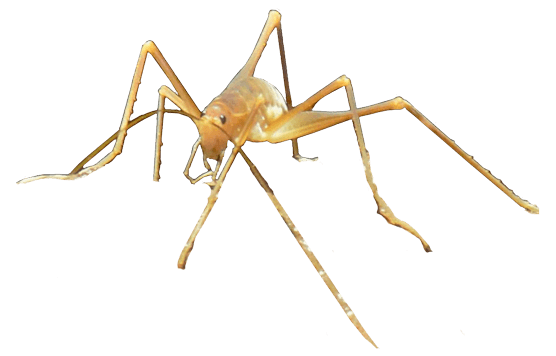
Cave Cricket
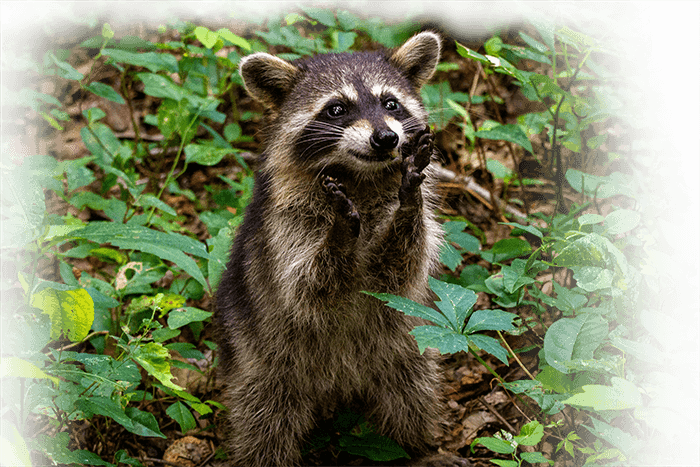
Raccoon Photo by Joshua J. Cotten on Unsplash
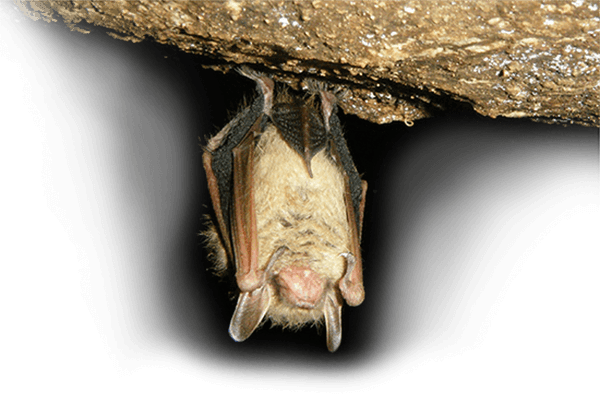
Tricolored Bat
Twilight Zone
Dim light, more stable temperatures, and no green vegetation.
Many animals use caves but still rely on the outside world for food. You might see bats hanging from the ceiling, moths and beetles resting on the walls, spiders waiting for prey, or salamanders and frogs seeking cool, damp shelter.

Cave Salamander-photo by Lisa Powers
Dark Zone
A world of total darkness, steady temperatures, and no plant growth.
Life here has adapted to permanent night. In underground streams you may find pale cave fish and blind cave crayfish, along with tiny crustaceans and delicate cave spiders that spend their entire lives in darkness, feeding on nutrients that drift in from the surface or fall from above.
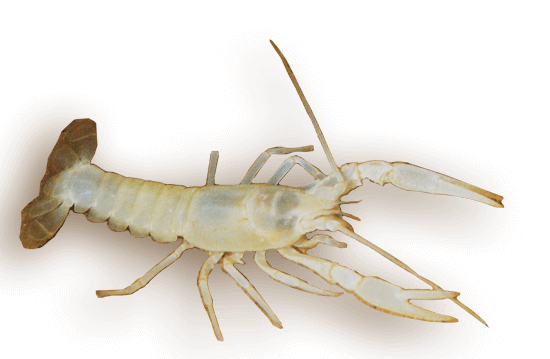
Blind Cave Crayfish
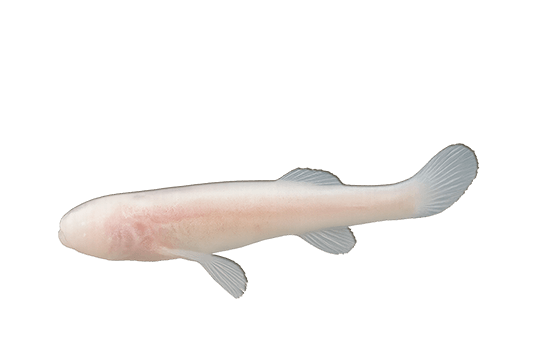
Blind Cave Fish
Types of Cave Life
Cave animals are often grouped by how much time they spend inside caves:
Trogloxenes (“cave guests”) – Animals that visit caves but depend on the surface for food and survival. Many use cave entrances as shelter from rain, cold, or predators. Because they do not live entirely underground, they lack the special adaptations seen in true cave animals. Examples include bats, bears, raccoons, skunks, frogs, birds, and cave crickets.
Troglophiles (“cave lovers”) – Species that can live inside the dark zone, but can also survive outside caves, such as some salamanders, frogs, beetles, and crayfish.
Troglobites (“true cave dwellers”) – These animals spend their entire lives underground and are fully adapted to permanent darkness. Many have little or no eyesight, lack skin pigmentation, and develop long antennae or limbs that help them sense their surroundings and locate food. Examples include blind cavefish, Tennessee cave salamanders, cave crayfish, and cave shrimp.
Adaptations of Troglobites
Troglobites show some of the most fascinating cave adaptations:
› Loss of eyes and pigment – Energy isn’t wasted on unneeded traits.
› Enhanced senses – Extra-sensitive touch or vibration receptors help find food.
› Long limbs and antennae – To feel their way through darkness.
› Survival on little food – Many can go long stretches without eating.
DID YOU KNOW?
- Bats are nature’s bug zappers – A single bat can eat up to 1,000 mosquitoes in just one hour.
- Life in the dark – Troglobites like blind cavefish and cave shrimp have no eyes or color but have extra-sensitive touch and vibration sensors.
- Three cave zones – Entrance (light, plants), Twilight (dim, no plants), and Dark (total darkness).
- Caves and clean water – Caves and karst aquifers supply drinking water to millions of Americans. What happens above ground directly affects life below.
- Tiny populations – Cave ecosystems support far fewer animals than the surface, making them especially fragile.
- Teamwork underground – From fungi and bacteria to crickets and salamanders, every species in a cave food web depends on the others.
The Cave Food Chain
All life depends on sunlight, even in the darkest areas of a cave. Green plants can’t grow inside of caves because they need light for photosynthesis. Cave animals must depend on occasional floods to wash leaves, twigs and plant debris into the cave for food. Another food source is provided by droppings from animals that go outside to feed then return to the cave to sleep or raise their young. The droppings from animals, such as bats and crickets, may provide the only major food source in some caves. Few animals can directly feed on these droppings. Instead, bacteria and fungi decompose these materials into simple foods and nutrients.
Fungus-eating insects, such as beetles and mites, feed on the molds and bacteria on animal droppings and plant debris. These animals then become the food supply for the larger predators like salamanders or crayfish. The droppings from larger cave animals replenish the food supply for fungi and bacteria. Thus the food chain continues.
All species in the cave system are dependent upon each other for survival. Remember, the number of animals in a cave is far fewer than their relatives on the surface. For these reasons we must remember to NOT DISTURB life within a cave.

Cave Conservation and Endangered Species
Because cave ecosystems are fragile, many cave animals are rare or endangered.
The Kentucky Cave Shrimp, found only in caves near Mammoth Cave National Park, is endangered due to groundwater pollution.
Several bats—Gray Bat, Indiana Bat, and Virginia Big-Eared Bat—are also endangered, threatened by human disturbance, habitat loss, pesticides, and a deadly fungal disease known as White-Nose Syndrome. The fungus that causes this disease can be accidentally carried on shoes, clothing, or gear and transported from one cave to another. Many commercial caves now use cleaning and decontamination measures to help slow the spread and protect bat populations.
Protecting groundwater, respecting cave habitats, and limiting human impact are all essential to their survival.
Why It Matters
Cave ecosystems remind us how interconnected life is. A single bat colony can support hundreds of other species through its guano. A rare cave shrimp depends on clean water flowing underground. Every creature, from tiny mites to large bats, plays a role in keeping these hidden worlds alive.
When exploring caves, remember: look, learn, but never disturb cave life.
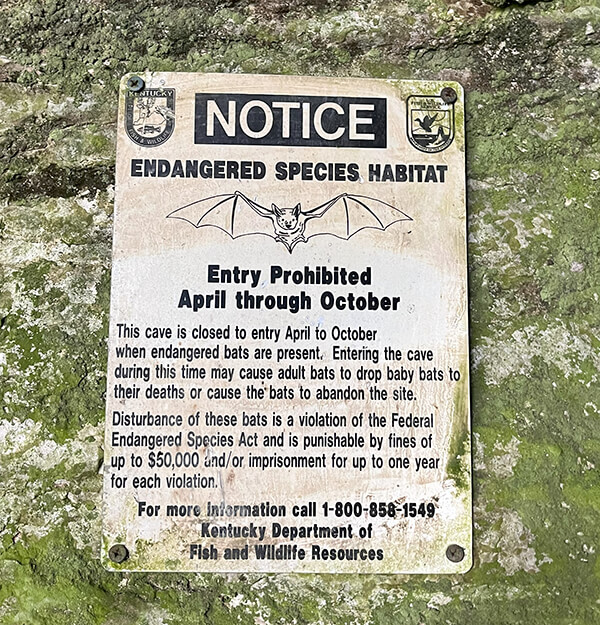
Overstreet Cave Endangered Species Habitat Notice
Photo by Derrick Lindsay
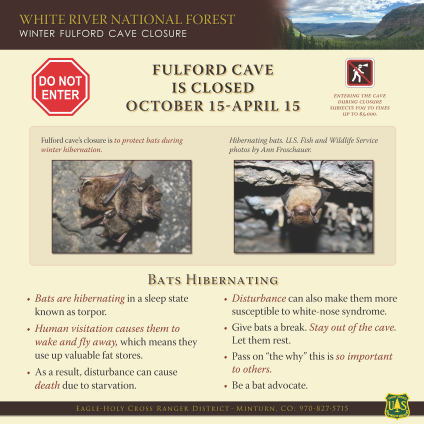
Fulford Cave Winter Closure Sign
USDS-Forest Service