
Cave Archaeology
Discovering and Protecting the Human History Preserved Underground
Caves as Windows to the Past
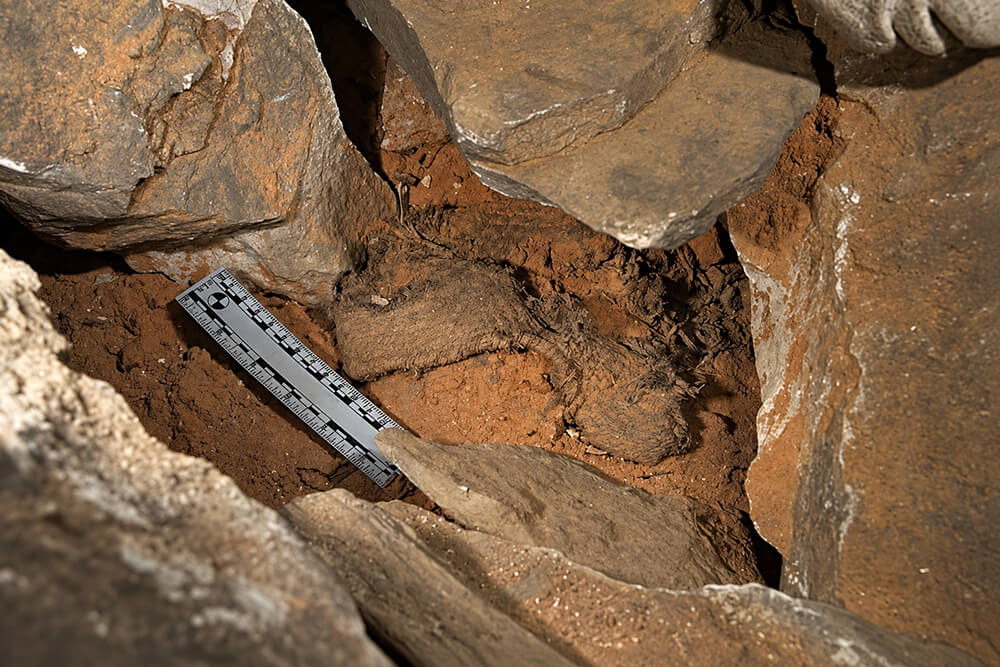
Caves can preserve remarkable evidence of people who lived thousands of years ago. Their relatively stable environments have protected footprints, woven materials, tools, artwork, food remains, torch fragments, and other objects that might quickly deteriorate on the surface.
Ancient People Underground
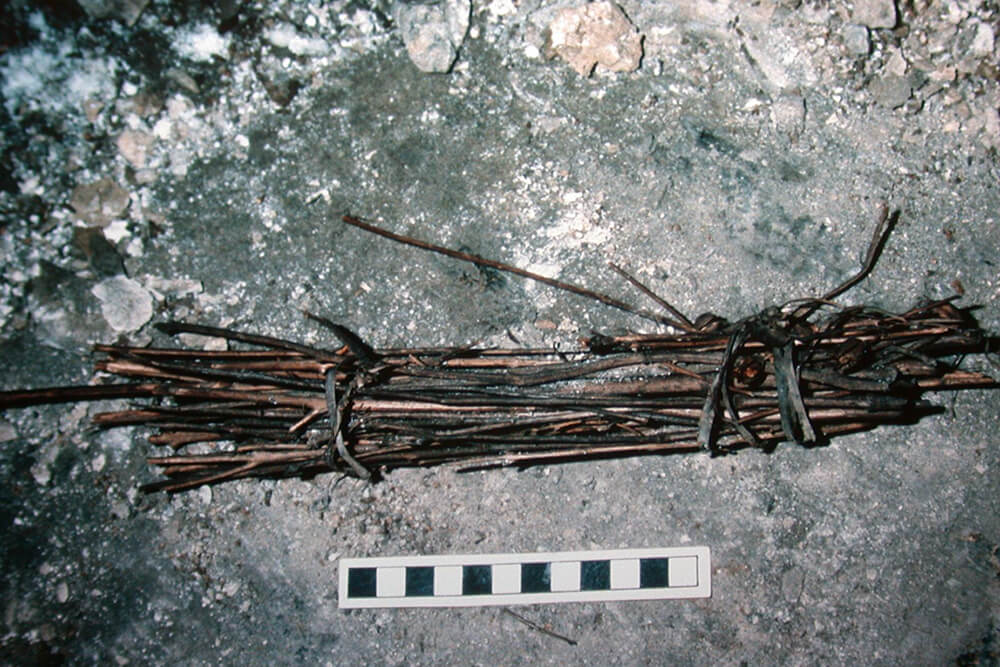
Archaeological discoveries in caves across the United States provide glimpses into the lives of early peoples. In Mammoth Cave, Native Americans traveled miles underground using cane torches and explored passages in search of minerals thousands of years ago. Woven materials, torch remains, and other artifacts provide evidence of their journeys.
Other caves have preserved petroglyphs, pictographs, mud glyphs, burials, and objects associated with daily life and cultural traditions.
Rock Art & Cave Glyphs
Some of the most remarkable evidence preserved in caves is ancient artwork and symbolic markings. These images can provide clues about the people who entered caves long ago and the cultural and ceremonial significance caves may have held. Some prehistoric rock art and glyphs have been discovered deep within caves, far beyond the reach of natural light, where their creators would have needed torches or other sources of light to reach them.
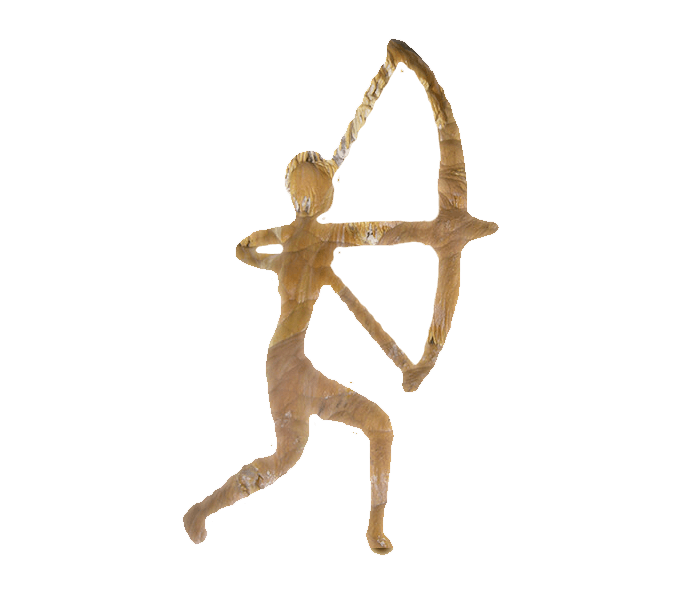
Petroglyphs are images or symbols created by carving, pecking, or scratching into a rock surface. They may depict human or animal figures, geometric shapes, abstract designs, and other symbols. Their original meanings are often unknown, but their location, relationship to other archaeological evidence, and the way they were created can help archaeologists learn more about the people who made them. Because petroglyphs are cut directly into stone, they can survive for thousands of years, although they remain vulnerable to vandalism, touching, and other disturbances.
Mud glyphs are drawings made by tracing fingers or tools through the soft clay or mud found on cave walls, ceilings, or other surfaces. Human figures, animals, geometric designs, and other forms have been discovered in caves. Because the images are made in soft material, even an accidental touch—or someone adding a modern drawing without realizing ancient markings are present—can permanently damage them.
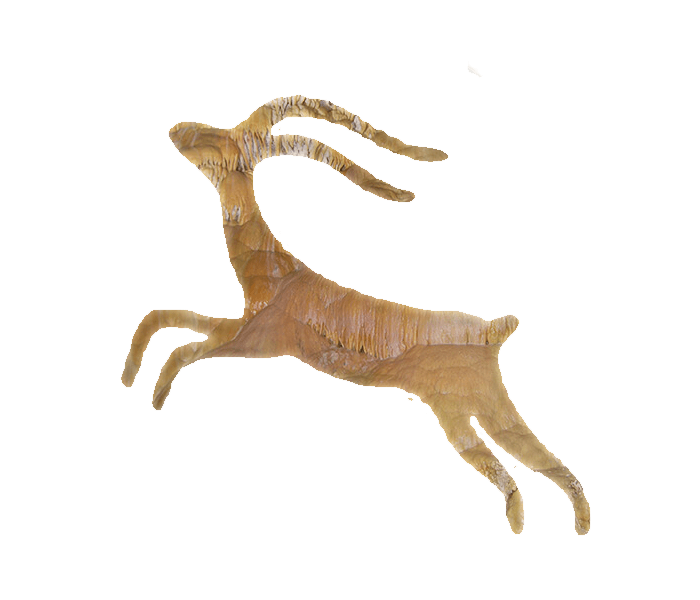
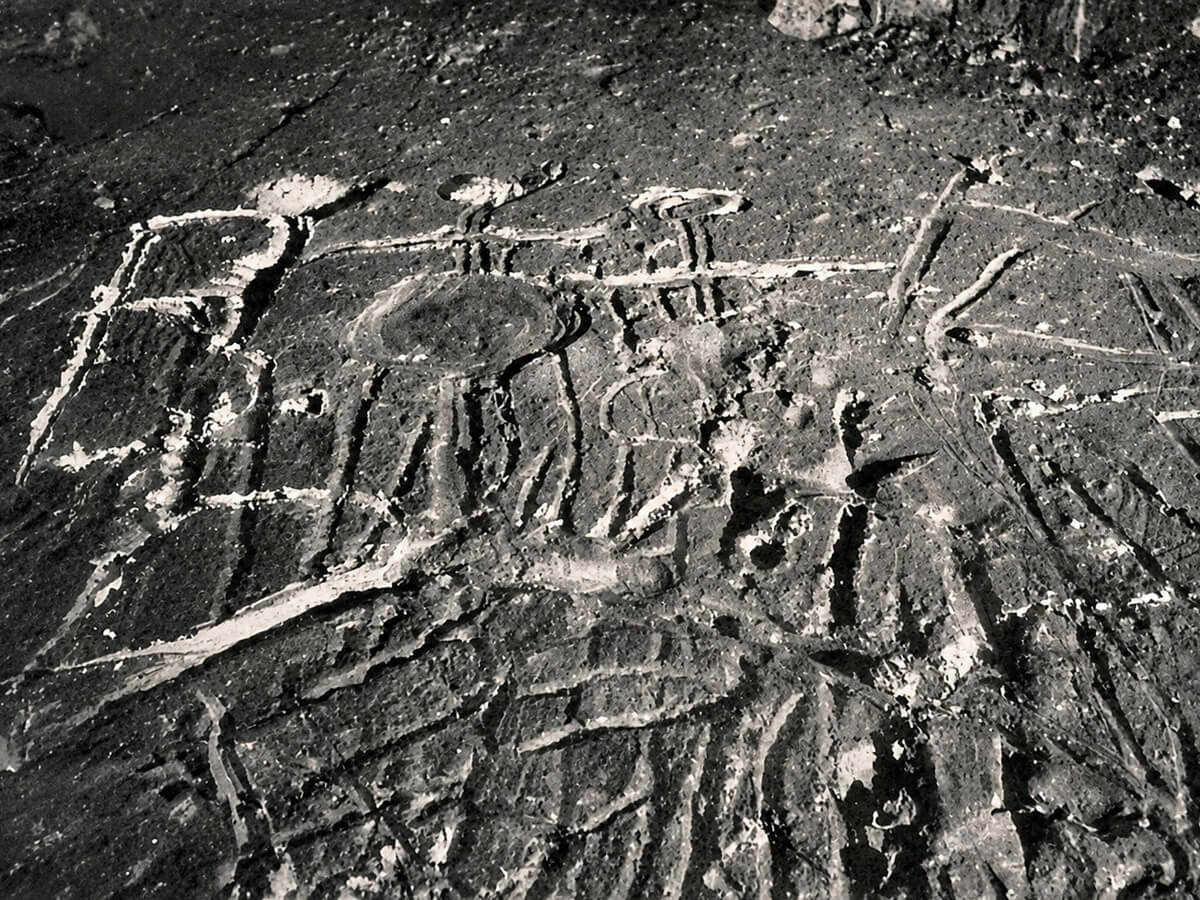
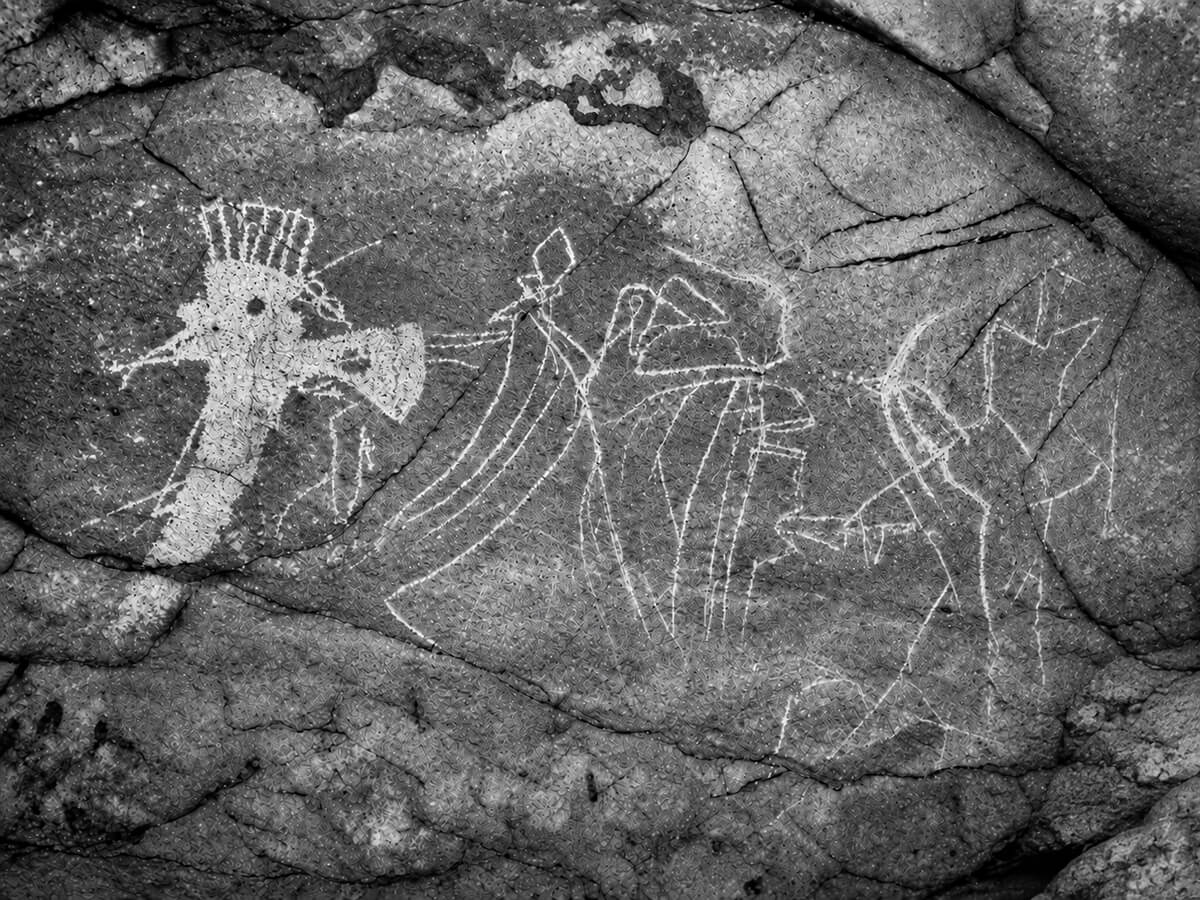
Prehistoric petroglyphs in a Tennessee cave. Carved or scratched into the rock surface, these ancient markings provide evidence of people who entered and used caves long ago. ACCA helped protect this sensitive archaeological site by installing a protective cave gate. Photo: Debra Silverman
Protecting Cave Archaeology
Ancient rock art, mud glyphs, artifacts, and other archaeological resources can be extremely vulnerable to vandalism and accidental damage. ACCA has worked with archaeologists, landowners, agencies, and cavers to protect significant archaeological sites, including the Tennessee and Kentucky caves shown above.
In some cases, the best way to protect a sensitive archaeological site is to control access with a specially designed cave gate. These gates can prevent unauthorized entry while allowing airflow, water, and cave wildlife to move through with minimal disruption to the cave environment.
Protecting these sites helps preserve not only the artifacts and markings themselves, but also their archaeological context and the information they may hold for future generations.
Why Context Matters
These resources are especially valuable because their location and context are part of the archaeological record. Moving an artifact, digging around it, touching ancient drawings, or adding modern graffiti can destroy information that can never be recovered.
If You Discover an Archaeological Site
Finding an ancient object can be exciting, but where it was found can be just as important as the object itself. Its position, surrounding materials, and relationship to other evidence help archaeologists understand its age and how a site was used. Removing an artifact destroys much of that information.
If you discover artifacts, human remains, ancient artwork, footprints, or other possible archaeological resources in a cave, leave everything exactly where you found it and do not publicize the location.
If You Discover Something:
› Leave artifacts, footprints, drawings, and other features exactly where they are.
› Do not touch, clean, collect, or move them.
› Do not post the location of a sensitive site online
› Report the discovery to the appropriate land manager, State Historic Preservation Office, state archaeology office, or professional archaeologist.
DID YOU KNOW?
- Ancient cave explorers carried their own light. Native Americans traveled miles into Mammoth Cave thousands of years ago using bundles of river cane as torches.
- Some ancient cave images were drawn with a fingertip. Mud glyphs could be created simply by tracing a finger through the soft clay covering a cave wall or ceiling.
- Ancient footprints can survive in caves. table cave environments can preserve tracks left by people who entered caves hundreds or even thousands of years ago.
- Caves can preserve materials that normally decay.Woven plant fibers, wooden objects, torch remains, and other organic materials may survive underground long after they would have disappeared on the surface.
- Archaeologists can learn from an extinguished torch. Charcoal and other organic remains associated with ancient cave exploration can sometimes be radiocarbon dated, helping researchers determine when people entered a cave.